Professional Carpenter for Personalized Woodwork Solutions
An experienced carpenter performs a vital role in bespoke woodwork solutions. Their expertise guarantees that projects are executed with precision and creativity. From custom cabinetry to unique shelving, these craftspeople convert ideas into functional pieces. Recognizing the characteristics that define a skilled carpenter can significantly affect the outcome of a project. Understanding how to effectively collaborate and budget is just as important. What essential elements should one take into account when starting such a bespoke endeavor?
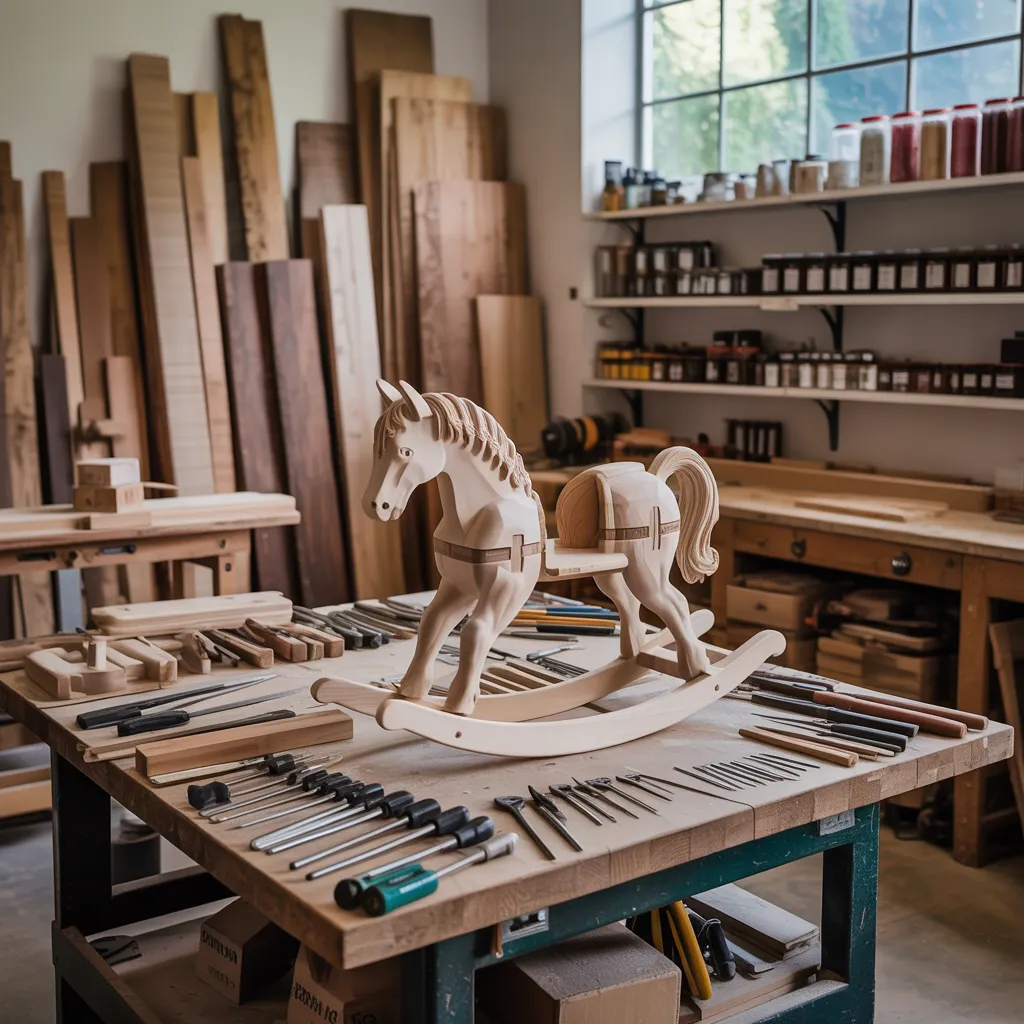
Why Engage a Proficient Carpenter for Custom Woodwork?
Choosing a experienced carpenter for tailored wood projects can greatly enhance the standard and appearance of a project. Mastery in woodworking ensures that each component is crafted with accuracy, careful focus, and a profound understanding of materials. Experienced woodworkers have the necessary tools and techniques to turn ideas into functional art, whether it be cabinets, furniture, or decorative elements. Their experience allows them to predict challenges and provide innovative solutions, resulting in a finished product that aligns with the client's vision. Moreover, a competent carpenter can offer guidance into wood types, finishes, and design styles, improving the overall outcome. The investment in a seasoned woodworker often leads to superior craftsmanship that lasts, providing both beauty and durability. Ultimately, choosing a experienced carpenter is vital for achieving top-notch custom woodwork that improves any space.
Discover Tailored Carpentry Possibilities to Upgrade Your Space
Custom woodwork selections deliver a broad array of opportunities for improving any area, enabling homeowners to personalize their environments with original designs. From handcrafted cabinetry to intricate moldings, custom woodwork can transform ordinary rooms into exceptional ones. Bespoke solutions such as built-in shelves, decorative mantels, and custom furniture can optimize usefulness while adding aesthetic appeal.
Homeowners can choose from various wood types, finishes, and styles to design a cohesive look that complements their existing decor. The versatility of wood enables for both contemporary and classic designs, appealing to varied tastes. Additionally, bespoke wood craftsmanship can meet specific needs, such as optimizing space efficiency in compact areas or creating distinctive centerpieces in larger areas.
Important Attributes to Consider in Your Carpenter
When starting a custom woodwork project, it is critical to locate a carpenter who demonstrates key qualities that ensure both quality craftsmanship and effective communication. Above all, experience is important; a seasoned carpenter brings valuable skills and insights that can improve the project. Meticulous precision is another key quality, as accuracy can greatly impact the final result. Additionally, creativity is important, allowing the carpenter to propose innovative solutions that align with the client's vision.
Reliability remains vital; a dependable carpenter meets deadlines and respects project timelines, ensuring a smooth workflow. Strong interpersonal skills are essential, as they enable clear discussions about ideas, expectations, and potential challenges. Finally, a good carpenter should exhibit a commitment to customer satisfaction, prioritizing the client's needs and preferences throughout the project. By identifying these qualities, clients can achieve a successful working relationship and exceptional custom woodwork outcomes.
What's the Right Approach to Partner With Your Carpenter on Design Concepts?
Successful teamwork with a carpenter starts with clearly articulating design visions. This open exchange supports a constructive discussion of ideas, where both parties can contribute creatively. Valuing the carpenter's proficiency can yield innovative solutions that enhance the overall project.
Express Your Perspective
How can homeowners ensure their design concepts are properly conveyed to their woodworker? Clear dialogue is essential for successful collaboration. Homeowners should begin by creating visual aids, such as drawings, photos, or inspiration boards, to illustrate their ideas. This helps bridge any differences between vision and implementation. Additionally, discussing exact measurements, supplies, and final touches guarantees that expectations match. Regular check-ins during the planning phase encourage an transparent conversation, allowing for adjustments and explanations as needed. Homeowners should also remain open to input, as carpenters often possess important knowledge from their background. By establishing a collaborative atmosphere, homeowners can guarantee their concept is not just communicated but also comprehended and realized successfully by their skilled carpenter.
Accept Artistic Contributions
Working with a carpenter opens the door to creative structural ideas that can elevate any project. Effective collaboration starts through transparent dialogue, where clients express their needs and preferences while remaining receptive to the carpenter's expertise. Sharing initial sketches, visual references, or reference photos can offer valuable context, enabling the woodworker to comprehend the desired aesthetic and functionality.
In addition, participating in brainstorming sessions nurtures a creative dialogue, where both parties can explore unique ideas and alternatives. The carpenter's experience can offer practical suggestions that strengthen the original vision, making sure the final product is both beautiful and functional. Ultimately, embracing creative input transforms a simple project into a personalized masterpiece, demonstrating the distinct style and needs of the client.
Strategies for Controlling expenses on Your Custom Woodwork Project?
What factors should one take into account when planning finances for a custom woodwork project? First, the selection of materials notably affects costs. High-quality wood, hardware, and finishes can increase the project's price. Second, the intricacy of the design should be evaluated; intricate patterns or custom features require more time and skill, which can increase labor costs.
Furthermore, the dimensions of the work serves as a vital component; larger pieces naturally necessitate more materials and energy. One must also factor in conceivable additional charges, such as authorizations or installation fees.
Finally, integrating a buffer for unexpected costs ensures the project remains within budget. By thoroughly assessing these factors, one can create a practical financial plan that represents both the quality desired and the limitations of available funds. Planning ahead and working with a skilled carpenter can further aid in refining the budget, enabling a successful custom woodwork project.
Understanding the Lasting Merits of Tailored Woodwork Artistry
Committing to custom woodwork surpasses upfront spending, presenting substantial long-term value that can strengthen both aesthetics and functionality in a space. Masterful workmanship guarantees durability, often superseding the longevity of mass-produced alternatives. Individualized creations are designed to fit distinct requirements, refining spatial arrangement and advancing orderliness, which can lead to stronger property appraisal.
Furthermore, the distinctive nature of bespoke wood creations adds a customized feel that enhances the overall ambiance of a residence or workplace. This bespoke quality frequently appeals to purchasers and can make a residence stand out in the real estate market.
Additionally, artisan woodwork allows the use of sustainable materials, fostering eco-conscious living. Clients regularly find that the outlay delivers value through reduced maintenance costs and the timeless appeal of bespoke items. Fundamentally, artisan woodwork is not just a purchase; it's a commitment to quality and distinctiveness that can yield notable returns over time.
Frequently Asked Questions
Which Varieties of Wood Work Best for Bespoke Projects?
Hardwoods like oak, maple, and cherry are perfect for bespoke creations due to their strength and visual beauty. Softwoods such as pine and cedar are also popular for their workability and affordability in different uses.
How Much Time Will a Personalized Woodwork Undertaking Typically Require?
A bespoke wood undertaking typically takes anywhere from a few days to several weeks, based on the level of complexity, choice of materials, and skilled labor needed. Timelines can vary considerably according to the project's specific requirements and the carpenter's workload.
Could I view examples of Your Past Work?
Samples of prior projects are available via a portfolio displaying various commissions. Engaged individuals can browse photographs and explanations that highlight craftsmanship and design, demonstrating the range and caliber of accomplished handcrafted woodwork ventures.
What Warranties Do You Offer on Your Custom Woodwork?
Yes, protections are given take action on personalized wood creations, ensuring quality and durability. This pledge indicates confidence in expert workmanship, helping clients to feel assured in their investment, knowing that any concerns will be managed without delay.
How Do You Navigate Revisions During the Project?
During the project, modifications are managed through collaborative communication and openness. The carpenter reviews adjustments alongside the client, ensuring all updates stay consistent with the original vision while accommodating any additional specifications or wishes with success.